<!DOCTYPE html>
Why Your Upstairs is Always Hotter Than Your Downstairs in Utah
Body font-family: system-ui, -apple-system, Segoe UI, Roboto, Helvetica, Arial, sans-serif; line-height: 1.6; color: #1b1b1b; background: #f7f7f9; margin: 0;
.boxed max-width: 980px; margin: 24px auto; background: #fff; border: 1px solid #e3e3e8; border-radius: 10px; padding: 24px; box-shadow: 0 2px 16px rgba(0,0,0,0.06);H1, h2, h3 line-height: 1.3; margin: 18px 0 10px;
H1 font-size: 28px;H2 font-size: 22px;
H3 font-size: 18px; color: #2d2d2f;P margin: 12px 0;
.muted color: #5a5a5f;.note background: #f0f4ff; border: 1px solid #d8e2ff; padding: 12px 14px; border-radius: 8px;
.cta background: #0b63d1; color: #fff; border-radius: 8px; padding: 18px; margin-top: 22px;.cta a color: #fff; text-decoration: underline;
.grid display: grid; gap: 16px;@media (min-width: 720px)
.grid-2 grid-template-columns: 1fr 1fr;Ul margin: 10px 0 12px 20px;
Li margin: 6px 0;
.small font-size: 14px;.caps text-transform: uppercase; letter-spacing: 0.04em; font-weight: 600; color: #4a4a4d;
.divider height: 1px; background: #ececf0; margin: 22px 0;
Why Your Upstairs is Always Hotter Than Your Downstairs in Utah
A practical look at airflow, duct design, and Salt Lake Valley conditions from Just Right Heating & Cooling (and Plumbing).
Most homes in Salt Lake City run hotter upstairs by late afternoon. Bedrooms sit near the roof deck. Attics push heat into the upper floor. Cool air from the same system reaches main level vents first. The result is a five to twelve degree split on a typical July day in the valley.
Local climate raises the stakes. Utah’s high altitude thins the air. Thin air reduces heat capacity and mass flow, which makes each BTU of heat gain upstairs harder to remove. The Great Salt Lake’s alkaline dust coats condenser coils. Dirty fins cut heat rejection and extend run time. Winter inversions load filters with PM2.5 and smoke. Each factor chips away at comfort upstairs.
There is no single fix. The cause is a stack of small issues. Good HVAC repair in Salt Lake City solves these issues layer by layer. That means airflow math, careful duct changes, coil cleaning, and control tweaks. It also means solid, repeatable maintenance. The details below show why the top floor runs hot, and what a precise HVAC tune up near you can change this week.
Utah physics: why heat stacks upstairs along the Wasatch Front
Hot air rises. That is true, but it is only part of the story. In the valley, the pressure difference between floors grows with temperature. This stack effect pulls cool air from the main level and basement. It leaks conditioned air out the top floor. Attic hatches, can lights, and bath fans become pressure paths. On a 95°F day, that drift is strong by 4 p.m., right when solar load peaks on west and south roofs in Sugar House and The Avenues.
High altitude plays a role. At around 4,200 feet in Salt Lake City, air density drops about 15% from sea level. A blower must move more volume to carry the same cooling. Many systems were sized with sea-level rules of thumb. They fall short once static pressure rises in tight duct runs. Long branches to a second story need extra margin. Without it, the upstairs gets less CFM than the design target.
Dust is not trivial here. The Great Salt Lake effect drives alkaline mineral dust onto outdoor coils. The layer acts like a sweater on the condenser. Head pressure climbs. The compressor runs hotter. The contactor and start capacitor see stress. Cool liquid lines run warmer. Supply air loses that crisp bite. Upstairs rooms fade first because the path is longer and ducts pick up heat from attics in Federal Heights and Foothill.
How duct design sets the upstairs up for a loss
Many two-story homes in Yalecrest or Liberty Wells rely on one central air conditioner. A single trunk leaves the plenum. The builder tees a few long branches to the second floor. Returns upstairs are small or missing. The blower motor pushes air where static is lower. That path is downstairs. The result is cool living rooms and warm bedrooms.
Return air is the control lever that often fixes the split. Each ton of cooling needs roughly 350 to 400 CFM. That air must get back to the air handler. If the upstairs lacks a full-height return, pressure upstairs stays positive. Supply air dumps into a high-pressure zone and stalls. A dedicated second-floor return with a full path to the blower equalizes pressure. The upstairs supply then moves the way the Manual D plan expects.
Insulation and duct placement add to the problem. Uninsulated or low-R ducts that cross a hot attic gain heat into the airflow. Ten to twenty degrees is common in a Salt Lake attic by late day. That bakes the runouts to rear bedrooms in Rose Park and Capitol Hill. A 55°F supply from the coil can arrive at the register as 63°F. That is not enough to pull the room down before bedtime.
The equipment and parts that decide whether the top floor cools well
Upstairs comfort rests on a chain of parts. Weak links are common and fixable. A start capacitor drifting out of spec makes the outdoor fan motor lag. The condenser coil runs hot. The compressor draws more amps and can short cycle under thermal limit. The second floor pays first. A contactor with pitted points introduces voltage drop. The outdoor unit hums, but the fan does not spin. This scene is common in 84105 and 84106 during a heat wave.
The evaporator coil can freeze if the filter loads with PM2.5 from a winter inversion, then spring hits and the system goes straight into cooling. Ice blocks the coil. Airflow to long upstairs runs falls to a trickle. Meanwhile, the thermostat reads warm air from vents and calls for more cooling. The cycle feeds on itself. Thawing, cleaning, and a MERV 13 upgrade restore steady flow and better indoor air quality.
Refrigerant charge needs a narrow window. An undercharged air source heat pump will show warm air from vents upstairs under load. A central air system with a stuck TXV (expansion valve) will starve the coil and cut sensible capacity. Dual-fuel systems that stage at the wrong balance point can fight attic load too. Setpoints and staging need a check after any equipment change in homes near the University of Utah or Red Butte Garden due to steep grade and wind exposure.
Salt Lake City building quirks that push heat upstairs
Historic homes in The Avenues and Capitol Hill use narrow wall cavities. Retrofits force small, high-static duct runs. The blower must work hard to push to the top floor. On the east bench in Foothill and Federal Heights, solar gain is higher with wide west views. Afternoon sun spikes attic temps and radiates into second-floor ceilings. In Rose Park, tree cover reduces that spike, but long horizontal duct runs in low attic clearances still sap supply temperature.
Many mid-century homes in 84102 and 84103 use floor returns only. That starves the upstairs of a low-resistance path. Adding a central, high-wall return in the hallway often yields a four to six degree improvement that day. It is a simple change. The effect is large because return pressure balances the system.
New builds in Millcreek, Sandy, and Draper lean on smart thermostats and two-stage condensers. These help, but they do not erase bad duct math. The thermostat cannot move air that does not have a low-pressure return. It cannot reduce attic gains from bare ducts. The fix remains physical. Better returns, better duct insulation, and zoning when the load split is wide.
What a precise HVAC tune up changes for upstairs rooms
A real HVAC tune up near you checks more than a filter and a thermostat. It measures total external static pressure. It compares blower tap or ECM profile against the design CFM. It inspects the evaporator face for dust and biofilm. It checks the drain pan and clears the condensate line so water does not spill into lower returns. It washes the condenser coil with a non-acid cleaner that breaks alkaline mineral dust common in Salt Lake County.
At Just Right, technicians carry universal start capacitors and contactors. Those two parts solve most mid-summer no-cool calls. A humming outdoor unit with a non-spinning fan is often a failed capacitor caused by Utah heat. Swapping that part on site brings head pressure down and restores proper subcooling. Restored subcooling sharpens supply temps to the second floor.
Airflow tuning matters in upstairs comfort. Adjusting blower speed within manufacturer specs reduces latent load swings and tightens sensible capacity. That is crucial for upper rooms after sunset, when humidity may rise from irrigated yards around Liberty Wells and Sugar House Park. A clean TXV, correct charge, and confirmed airflow produce colder supply air with stable coil temperature. Bedrooms cool faster and stay steady through the night.
Attic, insulation, and return strategy for Utah second floors
An attic in Salt Lake City can hit 125°F on a 95°F day. That heat leaks down. R-38 to R-49 is the present target for many homes. Many older homes sit at R-19 or less. Upgrading insulation lowers ceiling heat flux. It also helps ducts in that space. If an upstairs trunk crosses the attic, a duct wrap to R-8 or higher reduces pickup by several degrees. That gain alone may reduce runtime by fifteen to twenty minutes per cycle.
Return placement is the second lever. A single, large upstairs return positioned in the hallway collects hot air at ceiling height. It feeds the blower with the air that needs the most cooling. Bedroom jumper ducts or undercut doors finish the pressure path. With a stronger return path, each upstairs register delivers closer to its design CFM. This reduces the temperature split between floors across 84101, 84111, and 84115.
Zoning is the heavy tool. A two-zone system adds motorized dampers and a controller. It lets the system favor the upstairs during peak heat. Modern zone boards protect the compressor with bypass or static control. A smart thermostat for each floor can guide staging and fan speed. In Federal Heights or Foothill with large glazing, zoning often turns a chronic ten-degree gap into a two to three degree gap.
Filter choice in a valley with PM2.5, smoke, and dust
Winter inversions and wildfire smoke push PM2.5 into homes from November through March. Spring winds carry Great Salt Lake dust. A MERV 13 filter captures fine particulates that clog the evaporator coil and irritate lungs. It must match the blower and duct system. Too much pressure drop from the filter will starve airflow to the second floor. A larger filter rack or a media cabinet solves this. The goal is clean air without choking the system.
Indoor air quality ties back to upstairs comfort. Dirty coils cannot absorb heat. Dirty blower wheels deliver less CFM. A clean, right-sized filter keeps the coil face clear. It also protects smart thermostats and zoning sensors from dust fouling. The payoff shows up as colder supply air and steadier control of upstairs rooms in The Avenues and Yalecrest.
Equipment options that handle Utah’s upstairs load
Many homes cool well with a single-stage central air conditioner when ducts are right. But some homes need more control. Mitsubishi Electric ductless mini-splits work well in top-floor bonus rooms and attic conversions. A Daikin VRV or multi-zone heat pump offers high efficiency and variable capacity, which helps during shoulder seasons and inversion days. For ducted systems, a Lennox or Trane two-stage or variable-speed condenser smooths runtime and reduces upstairs swings.
Just Right services mass market brands such as Lennox, Carrier, Trane, Rheem, Goodman, York, and American Standard. High-end systems from Daikin, Mitsubishi Electric, Bosch, and Honeywell Home controls are also in regular service rotation. Factory-authorized maintenance means the right OEM parts on the first visit. That includes compressors, condenser coils, blower motors, contactors, start capacitors, and TXVs that match the equipment model.
Dual-fuel systems offer a neat balance here. A gas furnace handles deep winter. An air source heat pump carries spring and fall. That splits runtime and can drop overall energy use. It also keeps the blower active with longer, gentler cycles. Longer cycles help mix air across floors. Bedrooms upstairs feel more even across the day.
What to check before calling for AC repair in Salt Lake City
Sometimes a small step fixes a big headache. A quick look can save a service call and keep the upstairs cool during a Jazz game night near Vivint Arena, now Delta Center. If the issue remains, a trained tech should take it from there to avoid damage to the compressor or reversing valve on a heat pump.
- Set the smart thermostat to “Cool,” fan “Auto,” and verify a 3°F lower setpoint than room temp.
- Check the filter. If it is gray or past two months, replace it with a MERV 13 of the correct size.
- Confirm outdoor unit airflow. Clear grass, cottonwood fluff, and dust from the condenser coil fins.
- Look for ice on the indoor coil housing or refrigerant lines. If present, shut the system off to thaw.
- Listen for the outdoor unit humming while the fan does not spin. This points to a failed capacitor.
If the outdoor unit hums and the fan is still, resist the urge to push the blade by hand. That can mask a failing start capacitor or a weak contactor. A short fix may lead to a burned motor or blown fuse. A tech with a meter will confirm the microfarad value and swap the start capacitor. Just Right trucks carry universal start capacitors and contactors, which closes 90% of first-visit failures.
Signs your home needs professional HVAC repair service in Salt Lake City
Persistent symptoms point to deeper faults. An upstairs that never cools below 78°F at night points to airflow or refrigerant charge. Warm air from vents during a long call means the compressor may be off on thermal limit or the contactor is chattering. Short cycling hints at a thermostat issue or an oversized system fighting high-altitude pressure. Grinding or squealing noises signal blower motor or bearing wear. High utility bills and poor comfort together point to dirty condenser coils or low subcooling from a leak.
- Frozen evaporator coil after a long run, often due to restricted airflow or a dirty filter.
- Water near the furnace or air handler from a clogged condensate line and an overflowing drain pan.
- Thermostat reads large swings, or rooms show a 8–12°F difference between floors.
- System runs without cooling, fan blows, but supply temperature is above 60°F.
- Outdoor unit clicks or chatters, then stops, a classic bad contactor or low voltage sign.
These symptoms deserve a fast response. Just Right offers same-day service across Salt Lake City, West Valley City, Murray, Millcreek, Sandy, Draper, Holladay, Bountiful, and South Jordan. A focused diagnostic recovers upstairs comfort without guesswork.
Real fixes that close the upstairs-downstairs gap in Salt Lake City homes
Air balancing is the first lever. With static pressure data, a tech can shift supply toward the second floor within safe limits. This often includes tap changes on PSC blowers or ECM fan profile updates. The goal is to get each upstairs register to deliver its share. A four to six degree improvement is common in 84108 near the foothills.
Return augmentation is next. Adding a dedicated second-floor return with a clear path and a large grille reduces upstairs pressure. Paired with jumper ducts for closed bedroom doors, this levels out pressure and sound. It also helps filtration. More return area means lower velocity across a MERV 13 filter. Lower velocity preserves airflow and reduces motor strain.
Coil and condenser care deliver a big jump in capacity. Alkaline dust from the Great Salt Lake needs the right cleaner and method. Power washing can fold fins and worsen heat rejection. A soft, vertical rinse with an appropriate coil cleaner restores head pressure and subcooling. Indoors, a gentle evaporator clean and drain pan flush prevent refreeze and water damage to lower ceilings.
Zoning solves load splits that duct tweaks cannot fix. A two-zone controller, dampers, and a bypass or static management strategy give priority to the upstairs during late day. This matches real load patterns in Sugar House and Foothill homes with west-facing glass. Pair zoning with smart thermostats that can stage and manage fan speed, and upstairs rooms settle near setpoint by bedtime.
Control of refrigerant charge is the backbone. Charge by weight is a start. Final charge must match superheat and subcooling targets. Utah’s dry air and altitude shift those targets. A pro in Salt Lake City checks against the tables for the model. A correct charge brings supply temperatures into the 52–58°F range under load, which is where upstairs rooms recover fast.
Brand experience that keeps upstairs cool when the valley bakes
Just Right provides factory-authorized maintenance for Carrier, Trane, and Rheem. The team also supports Lennox central systems across 84101 to 84115. High-efficiency Mitsubishi mini-splits are a frequent choice for top-floor offices and nurseries. For tough inversion seasons, Daikin VRV systems with advanced filtration deliver strong fine-particle capture and quiet, long cycles that mix air between floors.
Technicians are NATE-Certified, licensed, and insured. Trucks carry OEM or approved components for compressors, blower motors, contactors, start capacitors, condenser coils, TXVs, drain pans, and more. Most failures on hot days trace to a small chain of parts. With the right stock on the truck, the fix happens on the first visit. Upfront pricing removes guesswork. A 100% satisfaction guarantee backs the work.
Where Just Right works and why local knowledge matters
Salt Lake City comfort calls benefit from local detail. In Sugar House near Sugar House Park and in Yalecrest, old plaster walls hide narrow chase space. That limits duct size and demands smart return solutions. The Avenues and Capitol Hill bring steep streets and older framing near the Utah State Capitol and Temple Square, where attic temps soar under afternoon sun. Near the University of Utah and Red Butte Garden, wind exposure can drive infiltration that worsens stack effect on upper floors. Downtown condos near Vivint Arena have strict condenser access and noise rules. Each case needs a different path to even upstairs cooling.
Just Right provides rapid HVAC repair service to homeowners in 84105 and 84106. Service covers 84101, 84102, 84103, 84108, 84111, and 84115 as well. The fleet moves across Liberty Wells, Rose Park, Federal Heights, and Foothill daily. Neighbors in West Valley City, Millcreek, Holladay, Sandy, Draper, Bountiful, and South Jordan receive the same level of care. Local tune-ups include special attention to coil cleaning because of alkaline dust and to MERV 13 filtration for PM2.5 during winter inversions.
Why some fixes fail and how to avoid wasted spend
A bigger air conditioner will not cure a duct bottleneck. It may short cycle more, leave humidity, and stress the compressor. Extra supply registers without a matched return will not improve upstairs comfort much. They raise noise and reduce velocity, while pressure still blocks flow. A smart thermostat cannot fix static pressure or an undersized return. It can only schedule and stage what the duct system allows.
The best results come from tests and math. Measure static. Record supply temperature and return temperature at each floor. Log run times during late afternoon. Confirm filter size and pressure drop. Inspect the evaporator face and blower wheel. Check outdoor coil condition and head pressure. Use these results to pick between balancing, return work, insulation, zoning, and charge correction. That sequence avoids guesswork and protects the budget.
What a visit from Just Right looks like during peak summer
A dispatcher assigns the closest truck. Crews are based near Liberty Park and spread across Sugar House and 84108. The tech arrives, confirms the upstairs temperature, and checks the thermostat. Tools come inside for static pressure and temperature readings. Filter size and MERV rating are noted. The blower wheel and evaporator coil get a visual check.
Outdoors, the condenser coil rinse removes alkaline dust. Pressures are measured. Capacitor values are tested against nameplate microfarads. The contactor is checked for pitting and voltage drop. The fan amperage is measured. If the outdoor unit hums without the fan moving, the start capacitor and contactor are replaced on the spot.
Indoors, the drain pan and condensate line are cleared to protect ceilings. The TXV is inspected for frosting or hunting. Charge is set to the target subcooling and superheat for the model and altitude. Air balancing tweaks send more CFM to the second floor within safe static limits. Where needed, a proposal for a dedicated upstairs return or zoning is presented with clear pricing.
Before leaving, supply temperatures are confirmed at upstairs registers. The tech reviews filter change timing and MERV 13 options. Notes include brand and model details like Lennox, Carrier, Trane, Mitsubishi, or Daikin. Warranty items are flagged. Photos document coil condition and duct constraints for future visits.
Repair, tune up, or upgrade: choosing the right path for your home
A failed start capacitor, clogged condensate line, or dirty condenser coil call for repair and a tune up. These fixes restore capacity and reduce the upstairs gap fast. If the home shows chronic static pressure issues and a missing upstairs return, duct work is the highest ROI. If afternoon gains overwhelm a well-tuned system, zoning or a variable-capacity upgrade makes sense.
In older Avenues homes with small chases, a ductless mini-split in the primary bedroom or office is a clean option. In newer Holladay or Draper builds with open floor plans, a two-stage or variable-speed central system paired with zoning may be the best fit. For inversion-prone winters, consider a Daikin VRV or high-MERV media cabinet to keep coils clean and airflow stable all year.
Just Right specializes in high-efficiency Mitsubishi mini-splits and traditional Lennox central air systems. Brand-appropriate parts and charge methods keep equipment within factory spec. That matters for upstairs performance and for warranty standing. It also supports Rocky Mountain Power rebate eligibility when upgrades are chosen.
Why homeowners across Salt Lake choose Just Right
Trust matters when the upstairs feels like an oven. Technicians are NATE-Certified, licensed, insured, and Google Guaranteed. As a Rocky Mountain Power Trade Ally, the team helps households tap local rebates for high-efficiency improvements. Same-day service reduces downtime in heat waves. Upfront pricing sets clear expectations. A 100% satisfaction guarantee closes the loop.
The company’s roots are local. Crews work daily near Temple Square, the Utah State Capitol, Hogle Zoo, and Red Butte Garden. They know how cottonwood fluff packs condenser fins near the river. They know how dust from construction downtown drifts into coils by mid-summer. That local pattern recognition speeds diagnosis and protects your upstairs comfort during peak heat.
Frequently asked technical questions about hot upstairs rooms
Will a bigger air conditioner fix my hot upstairs?
Often no. If ducts and returns limit airflow upstairs, a larger unit will short cycle. It may cool the main level faster and leave the upstairs behind. Address airflow first. Then consider capacity.
Is a second system the only way to fix this?
Not always. A dedicated upstairs return, duct insulation, balancing, and zoning can close most gaps. A second system helps in very large or complex homes, but it is not the first step.
Do smart thermostats solve upstairs heat?
Smart controls help stage and run fans longer. They cannot fix a blocked return or a dirty coil. Pair them with duct fixes and a clean system for best results.
How often should coils be cleaned in Salt Lake City?
Plan for annual outdoor coil cleaning because of alkaline dust. If near busy roads or cottonwoods, consider twice per cooling season. Indoor coils should be inspected yearly and cleaned as needed.
Which filter is best during inversions?
MERV 13 is the target. Use a larger filter rack or a media cabinet to keep pressure drop low. This preserves airflow to the upstairs while protecting the coil from PM2.5 and smoke.
Search tips if you need fast help today
People in 84105, 84106, or near Sugar House Park often search “HVAC repair service near me” or “HVAC tune up near me.” Residents downtown and in 84101, 84102, and 84111 look for “ac repair Salt Lake City” or “air conditioning repair Salt Lake City.” Each of those searches will surface local providers. Look for NATE certification, Google Guaranteed status, and clear same-day availability. Confirm brand experience with Lennox, Carrier, Trane, Rheem, Goodman, York, American Standard, Daikin, Mitsubishi Electric, Bosch, and Honeywell Home devices. That mix covers central air conditioners, ductless mini-splits, air source heat pumps, dual-fuel systems, gas furnaces, and smart thermostats.
Ready to even out the upstairs, Salt Lake City?
Evening comfort is within reach. The path starts with a precise diagnostic. A solid HVAC tune up sets the baseline. Coil cleaning, airflow balancing, and a real return path often close most of the gap. Zoning or targeted upgrades finish the job in tricky layouts across Sugar House, The Avenues, Yalecrest, Capitol Hill, Liberty Wells, Rose Park, Federal Heights, and Foothill.
Special offer
Book an early-season precision HVAC tune up and get prioritized scheduling before the first 95°F week. As a Rocky Mountain Power Trade Ally, Just Right will also check your eligibility for local rebates on high-efficiency repairs and upgrades.
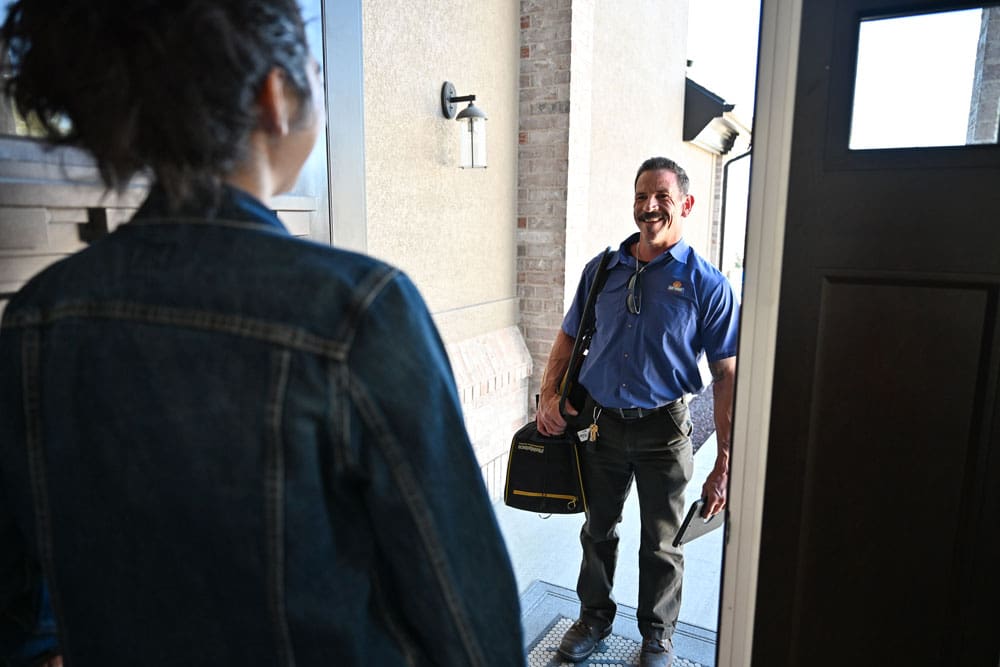
Need fast HVAC repair service Salt Lake City homeowners trust? Schedule your repair or tune up now with Just Right. Get a NATE-Certified technician who understands the Wasatch Front. Expect same-day service, upfront pricing, and a 100% satisfaction guarantee.
Request a consultation or book your repair today. Serving Salt Lake City, UT 84101, 84102, 84103, 84105, 84106, 84108, 84111, 84115, plus West Valley City, Murray, Millcreek, Sandy, Draper, Holladay, Bountiful, and South Jordan.
emergency HVAC repair Salt Lake
Just Right Plumbing, Heating & Cooling
Website: https://justrightair.com
Phone: +1 801-302-1154
Our Locations
Main Office:2990 S 460 W,
Salt Lake City, UT 84115 Downtown SLC Satellite:
231 E 400 S, Unit 104B, Salt Lake City, UT 84111 Layton Branch:
3146 N Fairfield Rd, Layton, UT 84041
Hours of Operation
- Monday - Friday: 7:30am – 6:00pm
- Saturday: 8:00am – 4:00pm
- Phone Hours: 24/7
Utah Licenses: 12304429-5501 / 12343294-0151 / 14523170-0151